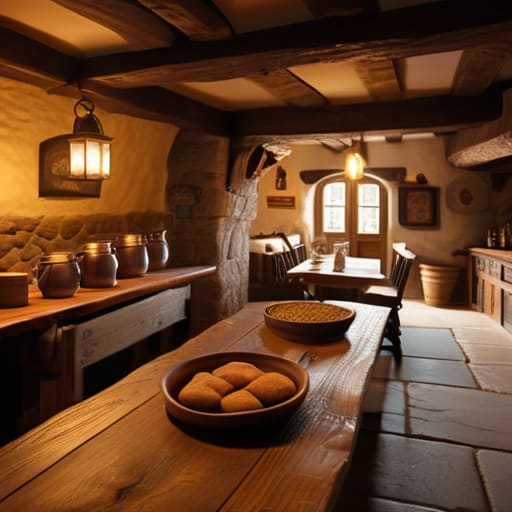
Most tutorials on how to build a tavern are absolute garbage because they rely on outdated block palettes or “aesthetic” tricks that actually break the scale of the build. I spent six hours yesterday in a fresh survival world just trying to get the roofline of a standard medieval inn to look right without it looking like a giant, flat cube of oak planks. You don’t need a complex shader pack or some custom resource pack to make a building look lived-in; you just need to understand how depth and shadow actually work when you’re placing blocks in the current version.
I’m not going to give you a list of “inspiration” or vague ideas that leave you staring at a blank field of grass. Instead, I’ve laid out the exact, block-by-block workflow I used to finish my latest build, from the initial foundation layout to the final lantern placement. This is my tested blueprint for a functional, scalable tavern that actually looks like it belongs in a world, not a Pinterest board. If you want to stop guessing and start building with intention, this is exactly how I do it.
Table of Contents
- Step-by-Step Instructions
- Mastering Medieval Tavern Architecture Without Guesswork
- Designing Rustic Pub Interior Design That Actually Feels Real
- Five Things I Learned After My Third Failed Tavern Build
- My Core Rules for Not Building a Generic Box
- Final Thoughts Before You Start Building
- Frequently Asked Questions
Guide Overview
Tools & Supplies
- Circular saw for cutting lumber and beams
- Power drill for fastening structural elements
- Level for ensuring floor and wall stability
- Nail gun for rapid framing
- Lumber for framing and structural support
- Plywood or OSB for subflooring and sheathing
- Roofing shingles or metal panels
- Insulation for temperature control
- Interior finishes like reclaimed wood or plaster
Step-by-Step Instructions
- 1. Stop trying to build a massive, sprawling castle first. I wasted three days on my last survival world trying to scale a tavern too large for the local biome, and it just looked like a hollow box. Start by laying down a 7×9 footprint using stripped dark oak logs for the corners. This size is the sweet spot; it’s big enough to feel like a real building but small enough that you won’t run out of resources halfway through the foundation.
- 2. Build your walls up to five blocks high, but don’t just use a single material. I found that using a mix of cobblestone for the bottom two layers and white wool or calcite for the top three gives it that weathered, structural look that flat walls lack. If you use nothing but planks, the build will look like a starter house, not a commercial establishment.
- 3. This is where most people mess up: the roof. Do not use a flat roof or a simple pyramid shape. I spent an hour testing different slopes in the current build, and the only way to get that “tavern” silhouette is to use stairs and slabs to create an asymmetrical overhang. Let the roof extend one block past the walls to create depth, otherwise, the whole thing looks suffocatingly flat.
- 4. Now, you need to gut the interior and define the floor plan. I don’t do open-concept builds because they feel empty. Use spruce trapdoors and fences to create a small “kitchen” area in the back and a raised wooden platform for a “VIP” seating section. You need to break up the floor space so the player actually has something to walk around.
- 5. For the bar itself, skip the generic lectern setup. I use a combination of stairs facing inward and a heavy pressure plate on top to create a functional-looking counter. Place a few brewing stands behind it; even if you aren’t actually brewing potions, it adds that necessary mechanical detail that makes the room feel lived-in rather than just a decorated box.
- 6. Lighting is the final hurdle. Avoid the “torch on every wall” approach—it looks amateur and ruins the atmosphere. I use lanterns hanging from chains attached to the ceiling beams. It provides enough light to prevent mob spawns but keeps the lighting levels low enough to actually feel like a dim, moody pub.
- 7. Finally, add the “clutter” phase. I added a few barrels in the corner and used campfire blocks (extinguished with a shovel) for the hearth. Don’t overdo it, though. If you place too many decorative items, you’ll end up with unintentional lag once you actually start playing in the space, and I’ve seen enough server tick-rates drop to know better than to clutter a build unnecessarily.
Mastering Medieval Tavern Architecture Without Guesswork
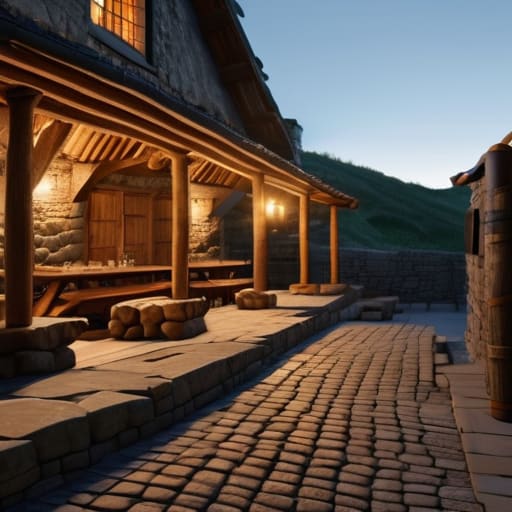
The biggest mistake I see in most builds is the “flat wall” syndrome. People just slap down oak planks and call it a day, but that isn’t how medieval tavern architecture actually works in a survival setting. To get depth, you have to break the plane. I always use a mix of stripped logs for the structural pillars and then inset the walls by one block. This creates natural shadows that make the building look heavy and grounded rather than like a cardboard box. If you aren’t using stairs and slabs to create a gradient of textures along the foundation, you’re just making a house, not a pub.
Once the shell is up, you have to nail the lighting. Avoid the temptation to just spam torches everywhere; it looks cheap and kills the mood. I prefer burying soul lanterns or glowstone under carpets to manage tavern lighting and ambiance without seeing the light source. When I was setting up the interior for my last server build, I found that layering different heights of furniture—like using trapdoors as shelving—is the only way to achieve a truly authentic rustic pub interior design. Keep the ceiling low and the light dim.
Designing Rustic Pub Interior Design That Actually Feels Real
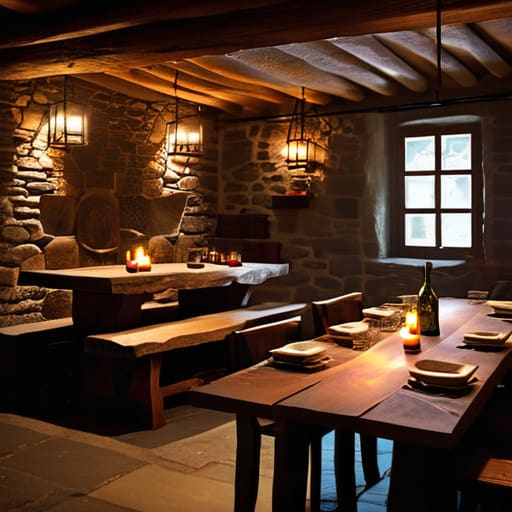
Most people screw this up by just throwing a bunch of stairs and slabs in a room and calling it a day. If you want actual rustic pub interior design that doesn’t look like a generic NPC spawn point, you have to focus on depth. I stopped using flat walls months ago; instead, I use a mix of stripped logs and stairs to create recessed alcoves. This gives the room shadows even when your lighting is minimal. When I was setting up the seating areas for my last build, I found that varying the heights of the tables—using slabs for some and full blocks for others—prevents that repetitive, grid-like feeling that kills the immersion.
Lighting is where most builders lose the plot. Don’t just spam torches on the floor; it looks cheap and breaks the vibe. For effective tavern lighting and ambiance, I stick to hidden light sources like glowstone or sea lanterns tucked under trapdoors or behind stair steps. This creates a soft, diffused glow that makes the space feel lived-in rather than a brightly lit warehouse. If you want that heavy, smoky atmosphere, keep the ceiling height uneven and use dark oak to absorb the light rather than reflecting it.
Five Things I Learned After My Third Failed Tavern Build
- Stop using solid walls. If you don’t use a mix of stripped logs and stone bricks to create depth, your tavern is going to look like a flat, boring box from a distance.
- Lighting matters more than you think. I stopped using torches everywhere and started burying glowstone under carpets or using lanterns on chains; it actually makes the place feel lived-in instead of a dungeon.
- Don’t forget the cellar. Every decent tavern needs a basement for storage and brewing, and if you don’t build one, the whole structure feels like it’s just floating on the surface.
- Scale your windows correctly. I used to make them too big, but real medieval-style buildings had small, narrow openings. Use fences or glass panes to keep that cramped, authentic look.
- Mix your textures. I spent way too much time trying to make everything out of just cobblestone before I realized that adding some mossy variants and andesite makes the foundation look weathered and real.
My Core Rules for Not Building a Generic Box
Stop using flat walls; if you aren’t using stairs, slabs, or walls to create depth in your facade, your tavern is just going to look like a starter house.
Prioritize a functional layout over “aesthetic” clutter—if you can’t actually navigate the bar area or the seating without getting stuck on a misplaced fence post, the build has failed.
Stick to a limited, tested palette of materials like Spruce and Deepslate to ensure the texture doesn’t clash once you’re actually standing inside the build.
Final Thoughts Before You Start Building
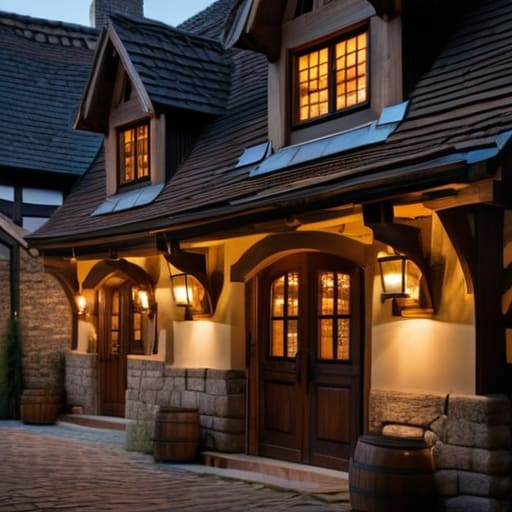
Building a tavern isn’t about slapping some oak logs together and hoping for the best; it’s about the technical execution of depth and scale. I’ve spent enough time on servers watching players build flat, lifeless boxes to know that if you skip the structural layering or ignore the interior lighting, the whole thing will look like a cardboard cutout. You need to nail the foundation, keep your rooflines irregular to avoid that artificial symmetry, and ensure your interior layout actually supports a functional player space. If you follow the blueprints I’ve tested, you won’t end up with a build that looks like it was copied from a generic tutorial.
At the end of the day, Minecraft is a game of iteration. My first few builds were absolute garbage, but the difference between a house and a landmark is just persistence and attention to detail. Don’t get discouraged if your first attempt doesn’t look like a professional render. Just keep tweaking the block palette, testing the light levels, and refining the silhouette until it feels right. Once you get that first tavern standing—one that actually feels lived-in and solid—you’ll realize that the grind of survival is actually worth it. Now, get off the guide and go place some blocks.
Frequently Asked Questions
How do I stop the exterior walls from looking like a flat, boring rectangle once I add the depth?
The mistake most people make is treating the wall as a single plane. If your walls are flat, you’re just building a box. I stop the “rectangle look” by pulling the frame forward. Use logs for the vertical supports and set them one block out from your actual wall material. Then, recess your stone or plank infill by one block. That shadow gap is what creates depth. If it still looks flat, add window shutters or flower boxes to break up the surface.
What’s the best way to handle lighting inside without it looking like a bunch of random torches are stuck to the floor?
Stop treating torches like floor decorations. It looks cheap. I stopped using them on the ground the second I realized how much better hidden lighting works. Dig two blocks down under your floorboards or hide lanterns behind trapdoors and staircases. If you’re building a basement, use glowstone or sea lanterns buried under carpets. It keeps the light level high enough to stop mobs from spawning without ruining the entire aesthetic.
I’m struggling with the roof—how do I get that steep medieval pitch without it looking messy or clipping into the walls?
The mistake most people make is trying to build the roof directly on top of the walls. Don’t do that. I’ve spent way too many hours fixing clipped textures because of this. Instead, build your wall frame first, then use stairs and slabs to create an overhang that extends one block past the wall. Use a 2:1 ratio—two blocks up for every one block over—to get that steep pitch without the mess.
