Stop listening to the YouTubers who claim that “world generation is basically the same, just prettier now.” It’s a lie, and if you’ve ever tried to migrate a long-term survival base or optimize a server for a new update, you know exactly how much that incorrect hype messes with your head. I’ve spent years running high-pop servers and breaking the procedural engines of nearly every major release, and the truth is that seeing how world generation changed isn’t just about adding more biomes or better trees; it’s about a fundamental shift in how the math actually dictates the terrain you walk on.
I’m not going to give you a history lesson or a list of patch notes you could have read on a wiki. My rule is simple: if I haven’t personally stress-tested the terrain on the current build, I’m not talking about it. I’m going to show you the actual mechanical shifts in the way chunks are being calculated and how that impacts everything from cave density to resource distribution. No fluff, no texture packs to make it look “cinematic,” just the raw data from someone who has actually built it.
Table of Contents
Why Perlin Noise vs Simplex Noise Defined My Early Builds
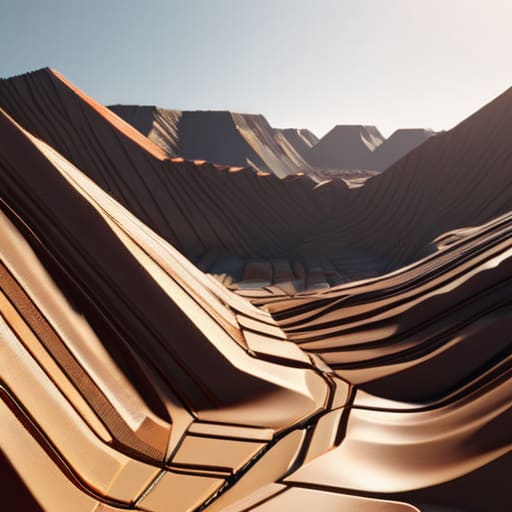
Back when I was first managing my own server, I spent way too much time staring at terrain chunks, trying to figure out why everything looked so “blocky” and predictable. The core issue was the heavy reliance on perlin noise vs simplex noise implementations in the early engine iterations. Perlin noise is fine for basic stuff, but it has this inherent grid-like artifacting that makes mountains look like they were carved by a giant ruler rather than natural erosion. I remember trying to build a custom starter base in an old version, and no matter where I placed it, the landscape felt mathematically “stiff.”
As I moved into more complex builds, I realized that the transition toward more sophisticated noise functions in terrain generation was what actually allowed for the organic shapes we see now. In the older builds I speedrun, the heightmaps felt shallow because the algorithms couldn’t handle the rapid frequency shifts needed for jagged cliffs. Once the engine started layering these noise types more effectively, the way the terrain transitioned from plains to mountains stopped feeling like a series of mathematical steps and actually started feeling like a world.
The Truth About Procedural Generation Algorithms Evolution
Most people think the change was just about adding more biomes, but if you actually look at the underlying math, it’s about how the noise functions in terrain generation have become less predictable in a good way. In the older versions I used to run servers for, the terrain felt like a series of predictable waves. You could almost map out the heightmap in your head because the math was too rigid. Now, the transition toward more complex layering means you aren’t just looking at a single noise pass; you’re seeing multiple layers of data interacting to create something that actually feels organic.
I’ve spent a lot of time digging into the code to see why certain chunks feel “off,” and it usually comes down to how the procedural biome distribution handles the transitions. We moved away from those blocky, abrupt borders into a system where the environment shifts more fluidly. It’s not just about making things pretty; it’s about the way the engine calculates the intersection of temperature, humidity, and elevation. The evolution of these algorithms means the world doesn’t just look bigger—it actually feels more structurally coherent when you’re out exploring.
Five things I've learned from breaking these biomes
- Stop trying to plan massive builds around old terrain logic; the way heightmaps are calculated now means your “perfect” mountain base will likely be a flat plateau in the current version.
- Don’t rely on old seed-mapping tricks for finding structures, because the shift from noise-based placement to the newer data-driven systems makes those legacy methods completely useless.
- If you’re looking for specific ore distributions, forget the old “layer” mindset; the way chunk generation handles vein density has changed enough that you need to re-test your mining paths every few updates.
- Stop using massive amounts of terraforming to fix “ugly” terrain; the current procedural engine handles slope gradients way better than the old versions, so you’re usually just wasting resources.
- Always check your chunk borders before committing to a mega-build, because the way the new generation engine handles biome transitions can create weird, jagged edges that didn’t exist in the older versions I used to speedrun.
What actually matters for your builds
Stop looking for old tutorials; the way noise maps interact with biome placement has fundamentally changed, making legacy terrain logic useless for modern survival setups.
The shift from simple Perlin noise to more complex, multi-layered algorithms means you can’t rely on the same predictable mountain generation patterns I used to exploit in older versions.
Understanding the underlying math isn’t just academic—it’s the only way to predict where specific terrain features will spawn so you aren’t wasting hours searching for a specific biome.
The bottom line
Looking back at everything we’ve covered, it’s clear that world gen isn’t just some magic black box that gets “better” every update. It’s a constant, messy tug-of-war between the mathematical limitations of Perlin noise and the sheer computational power we have now to run more complex, layered algorithms. I’ve seen how moving away from those rigid, predictable noise maps has fundamentally changed how I approach a new spawn. We went from fighting against a predictable grid to navigating a world that actually feels organic and unpredictable. If you’re still trying to use old-school survival strategies from the Beta days on a modern 1.20+ seed, you’re going to run into walls that simply didn’t exist back then. It’s about understanding the underlying math so you don’t get caught off guard by the terrain.
At the end of the day, whether you’re running a massive server or just playing solo on a local world, the goal is the same: finding that perfect balance between chaos and structure. The engine will keep evolving, and the algorithms will keep getting more sophisticated, but that shouldn’t scare you off. Instead, use it as a tool to push what’s possible in your builds. Don’t just accept the terrain as it’s given to you; learn how it was made so you can master it. The world is only as limited as your understanding of its code.
Frequently Asked Questions
Does the change in noise algorithms actually affect how I should plan my early-game resource gathering?
Yes, it absolutely does. In older versions, I could rely on predictable, sweeping terrain patterns to find specific biomes or ore veins. Now, because the noise distribution is more granular and complex, you can’t just follow a single mountain range and expect a consistent resource spread. You have to spend more time scouting. Don’t just tunnel blindly like you might have in 1.12; the new distribution requires actual topographical awareness.
How much of the terrain variation is actually due to new code versus just more complex seed math?
It’s mostly new code. People think it’s just “better math” making the seeds more complex, but that’s not how the engine actually works. The math provides the raw noise, sure, but the terrain variation we see now comes from how the game interprets that noise through new post-processing layers. We’ve moved from basic heightmap manipulation to sophisticated multi-step biome blending. The math is the foundation, but the new code is what actually builds the mountains.
If I'm trying to replicate an old-school feel, can I actually do that with the current generation engine?
Not without heavy lifting. The current engine is way too “busy” for that old-school look. You’ve got these massive, sweeping biomes and complex mountain ranges that just weren’t there in the old versions. If you want that specific, jagged, claustrophobic feel, you’re going to have to mess with world presets or specific seed manipulation. You can’t just spawn in and expect the terrain to feel “retro” anymore; the math just doesn’t work that way.
