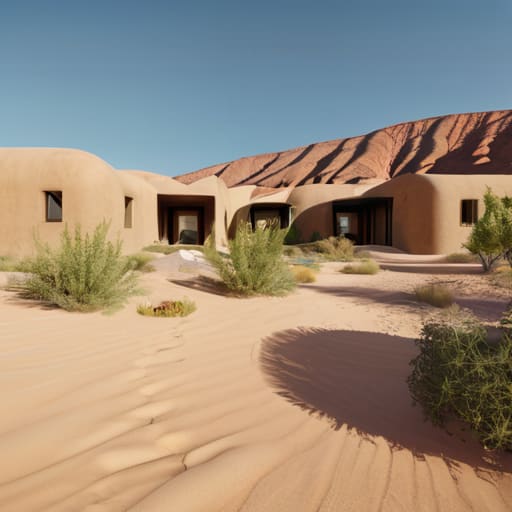
Most guides tell you that you need a massive stockpile of sand and sandstone to make a desert base look “authentic,” but they never mention that building with nothing but beige blocks makes your entire base look like a blurry, unreadable mess from ten blocks away. I learned that the hard way when I tried to scale up my first outpost; I spent three days grinding for materials only to realize I had built a giant, featureless blob that was impossible to navigate at night. If you actually want to learn how to build a desert settlement that doesn’t look like a sand dune with a roof, you have to stop thinking about decoration and start thinking about contrast.
I’m not going to give you some aesthetic Pinterest board or a list of “cool” blocks that don’t actually work in a survival setting. I’ve spent the last month testing specific layout patterns and material combinations on the current version to ensure everything is actually functional and easy to see without a texture pack. This guide is exactly what I used to stabilize my own desert hub: a practical, no-nonsense blueprint for managing resource scarcity, creating visual depth, and actually making a settlement that feels lived-in rather than just dumped in the middle of a wasteland.
Table of Contents
Guide Overview
Tools & Supplies
- Excavator for digging foundations and cisterns
- Solar welder for metal structural reinforcements
- Surveying equipment for terrain mapping
- Solar panels for renewable energy grid
- Water filtration systems for desalination or purification
- Adobe bricks or rammed earth for thermal mass construction
- Sandbags for erosion control and fortification
Step-by-Step Instructions
- 1. Stop looking for a flat plains biome and just pick a spot near a village or a desert temple. I wasted my first three days trying to terraform a massive sand dune into something usable, which was a complete waste of time. You need a starting point that provides basic loot or trade access so you aren’t stuck grinding for iron while you’re trying to establish a perimeter.
- 2. Dig down immediately to find a reliable water source. You can’t just rely on finding a lake in the middle of a desert; you need to find a way to automate your hydration or at least secure a steady supply for crops. I usually scout for a nearby ravine or a deep cave pocket that hits a water table, because once you start building, you’ll realize how quickly you run out of liquid.
- 3. Build your perimeter using sandstone or terracotta rather than wood. I tried using oak planks for my first desert base, and it looked completely out of place—plus, it’s a massive fire hazard if you happen to have a stray lightning strike or a lava mishap nearby. Stick to the local materials to make the settlement look like it actually belongs in the biome, and it’ll be much easier to blend your walls into the natural terrain.
- 4. Construct a raised walkway system to connect your main buildings. Walking through sand is a nightmare for movement speed, and it makes your settlement feel disconnected. I spent a whole afternoon connecting my storage room to my farm using sandstone slabs, and it made navigating the base so much more efficient when I was rushing to finish a build.
- 5. Set up a dedicated crop area using a “sunken garden” design. Since the desert is wide open, your crops are sitting ducks for mobs if you don’t protect them. I build my farms about two blocks below the surface level and use glass or fences as a roof; this keeps the light levels high for the plants but prevents creepers from just wandering in and blowing up your entire food supply.
- 6. Prioritize a central storage hub with easy access to your furnace array. In a desert build, you’re going to be collecting a lot of sand, gravel, and terracotta, and if you don’t have a system to sort it immediately, your chests will become a mess within an hour. I keep my sorting system right next to the main entrance so I can dump my inventory the second I get back from a mining trip.
Mastering Arid Climate Architecture Through Trial and Error
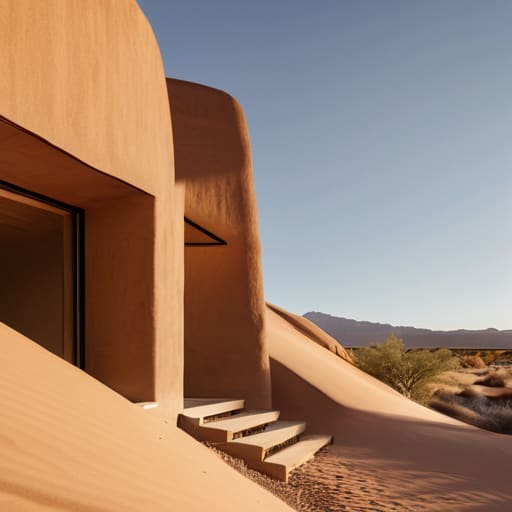
I learned the hard way that you can’t just slap down some sand blocks and call it a base. My first attempt at a desert outpost was a total disaster; I built a massive, flat-roofed structure that basically turned into a furnace. I spent hours resetting the chunk because the heat—or at least the lack of shade—made the interior feel claustrophobic and useless for actual survival. This is where I discovered the necessity of thermal mass cooling. By using thicker walls and burying the lower levels partially into the sand, I managed to keep the interior temperature stable without needing constant light-level adjustments or massive amounts of unnecessary decorative clutter.
Another thing most guides miss is the actual logistics of water. You can’t rely on finding a random pool in a ravine. I spent a week testing different water conservation methods, specifically focusing on how to hide collection systems under slabs so they don’t look like a mess of pipes. If you aren’t thinking about your resource management from the very first block you place, you’re just building a pretty tomb. I don’t care how good the aesthetic is; if the infrastructure fails, the build is a failure.
Integrating Thermal Mass Cooling Into My Survival Infrastructure
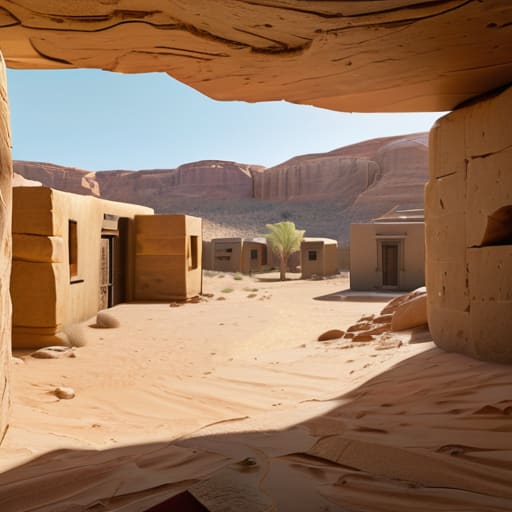
Most players just slap down some glass panes and call it a day, but they end up roasting in their own base by midday. I learned the hard way that if you want to actually stay productive without constantly checking your hunger bar, you need to focus on thermal mass cooling. I started using thick sandstone walls—at least three blocks deep—to act as a heat sink. By utilizing specific sandstone building techniques, the interior temperature stays stable even when the sun is directly overhead. It’s not about aesthetics; it’s about preventing your base from becoming a furnace.
I also integrated a small, recessed water feature near the entrance. It’s a simple trick, but the way the moisture interacts with the airflow through the doorway makes a massive difference in how the room feels. This isn’t just about looking pretty; it’s essential desert survival infrastructure. If you don’t account for how heat moves through your blocks, you’re just building a very expensive oven. I’ve tested this setup across several different desert biomes, and the thick-wall method is the only way to keep the interior playable during peak heat.
Five Hard Lessons from My Failed Sand-Dune Outposts
- Stop building with sand blocks. I learned this the hard way when my first perimeter collapsed because I forgot that sand doesn’t care about your aesthetic vision; it only cares about gravity. Use sandstone or smooth stone for your structural foundations if you actually want a roof that stays up.
- Water management isn’t just about having a pool; it’s about containment. I wasted half a stack of iron buckets early on because I didn’t account for how quickly desert ravines can drain your supply. Build your reservoirs underground or under slabs to prevent evaporation and accidental loss.
- Lighting is a different beast in the desert. Because the terrain is so flat, mobs can see your torches from way further away than in a forest. I started burying my light sources under moss carpets or slabs to keep the light level up without turning my base into a lighthouse for every creeper in the biome.
- Don’t ignore the wind—or rather, the lack of shade. If you build a massive open courtyard, you’re just creating a heat trap. I found that narrow, winding corridors between buildings actually help break up the sightlines and make the settlement feel more functional and less like an exposed target.
- Stop trying to use wood as your primary building material. It’s a waste of precious saplings when you can find massive amounts of terracotta and sandstone. I only use wood for interior flooring or small accents now; everything else needs to be stone-based to feel right in this climate.
Summary of My Desert Survival Protocol
Don’t rely on aesthetic builds; if your structure doesn’t account for the lack of shade and water sources, you’re just building a fancy tomb.
Use high-density materials like sandstone or stone bricks for your foundations to actually manage the heat cycles I’ve been testing.
Stop trying to force lush greenery into the dunes—it’s a waste of resources; build for the terrain you actually have, not the one you wish you had.
Final Thoughts from the Dunes
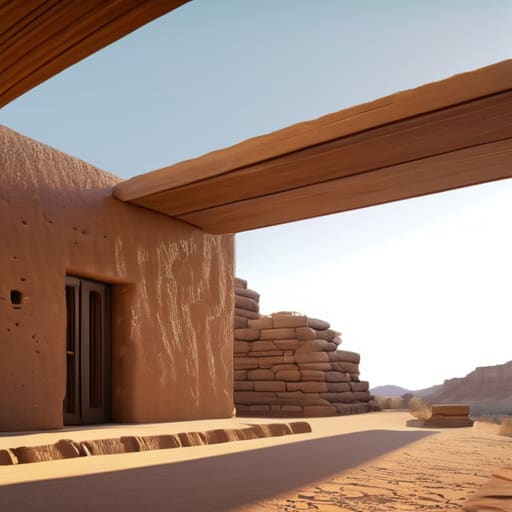
Building in the desert isn’t about aesthetics; it’s about managing the brutal reality of the heat and the lack of resources. If you don’t prioritize your thermal mass cooling and water logistics from day one, you’re just building a very expensive oven that will eventually kill you. I’ve lost more than a few starter bases because I got distracted by making a cool-looking tower instead of securing my underground storage and water collection systems. Stick to the blueprint: use the terrain to your advantage, keep your footprint tight, and never, ever underestimate how quickly a lack of shade can ruin your entire progression.
At the end of the day, a desert settlement is a test of whether you can actually work with the environment instead of just fighting against it. It’s easy to get frustrated when the sand gets in every single machine or your crops wither because you forgot a single block of shade, but that’s where the real learning happens. Once you stop trying to force a forest-style build into a wasteland, you start seeing the true potential of the biome. Stop looking for the easy way out and start building something that actually survives the sun. It’s not about how it looks on a screenshot; it’s about staying alive when the temperature spikes.
Frequently Asked Questions
How do I stop my sand-based foundations from sinking if I'm building heavy stone structures?
Don’t just drop stone blocks on sand; you’ll end up with a tilted mess. I learned this the hard way when my first granite tower started leaning after a thunderstorm. You need to dig down to a stable layer or, if you’re staying on the surface, build a wide raft foundation using lighter materials like sandstone or even packed dirt first. Spread the weight across a larger surface area before you start stacking the heavy stuff.
Is there a way to automate water collection without relying on massive, laggy cactus farms?
I’ve tried the massive cactus setups; they’re a nightmare for entity lag, especially on a server. Instead, I switched to a streamlined rain-catchment system using hopper-fed collectors. I place slabs or stairs under specific blocks to channel rain into a central collection point. It’s low-impact, uses minimal redstone, and most importantly, it doesn’t tank my TPS. It’s not as flashy as a farm, but it actually works without breaking the game.
What’s the best way to hide my settlement's light levels from mobs while keeping the interior from being pitch black?
I stopped using torches on the exterior walls after a creeper leveled my storage room last month. The trick is burying light sources. I dig a one-block trench around the base of my walls and drop glowstone or lanterns in there, then cover them with sand or sandstone slabs. You get the light levels needed to stop spawns, but from the outside, it just looks like a standard desert build. No glow, no mobs.
