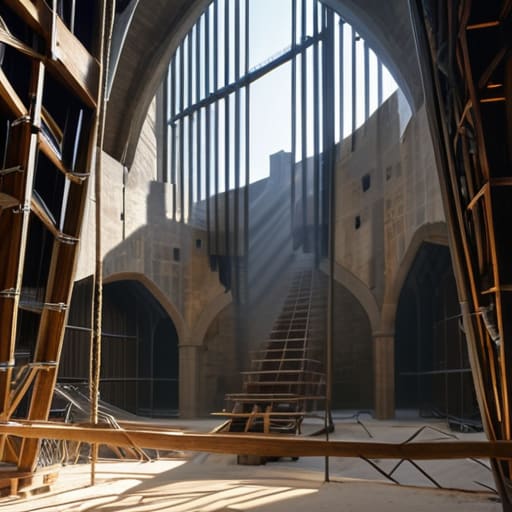
Most of the tutorials you find online for how to build a cathedral are absolute garbage. They’re either showing you “pro” builds that rely on shaders and texture packs to hide terrible geometry, or they’re using outdated mechanics from versions that haven’t been relevant for years. I’ve spent countless hours staring at flat, uninspired walls because a guide promised me “scale” but forgot to mention how the lighting engine actually handles massive vaulted ceilings. If you’re looking for some cinematic, fluff-filled walkthrough that relies on visual tricks, you’re in the wrong place.
I’m not going to waste your time with concepts I haven’t personally stress-tested in a survival environment. I’ve spent the last few weeks actually laying the blocks, calculating the flying buttresses, and seeing exactly where the chunk loading starts to get messy. This guide is a practical blueprint based on what actually works in the current version. I’ll show you how to manage your proportions and structural integrity without needing a single mod or a fancy resource pack to make it look legit.
Table of Contents
Mastering Medieval Masonry Techniques Under My Own Hands
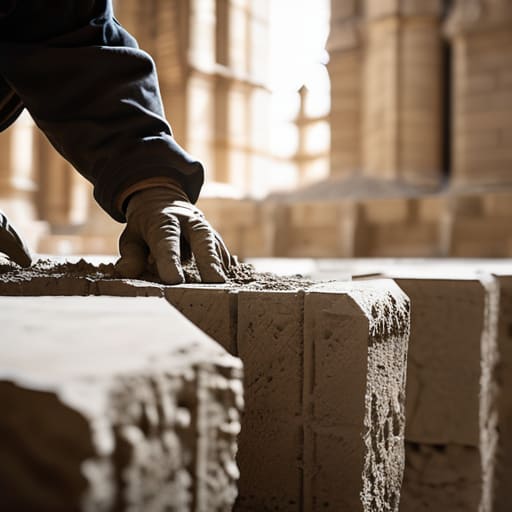
I stopped trying to follow those generic “aesthetic” tutorials once I realized they all collapse the moment you actually try to scale the height. To get the scale right in this version, you have to stop thinking about blocks as decoration and start thinking about medieval masonry techniques as a way to manage weight. I spent several sessions just testing how deep I needed to sink the foundation blocks before the sheer mass of the stone walls started causing chunk-loading lag or, more importantly, looking visually “heavy” and wrong.
The real headache starts when you move from the walls to the ceiling. I found that most people fail at rib vault construction because they try to build the ceiling first. That’s a mistake. You have to build the supporting pillars and the arches simultaneously to ensure the geometry actually connects. I’ve spent hours adjusting the placement of single stone brick slabs just to make sure the ribs meet at a mathematically sound center point. If your math is off by even half a block, the whole interior looks like a pile of rubble rather than a feat of engineering.
The Brutal Reality of Rib Vault Construction
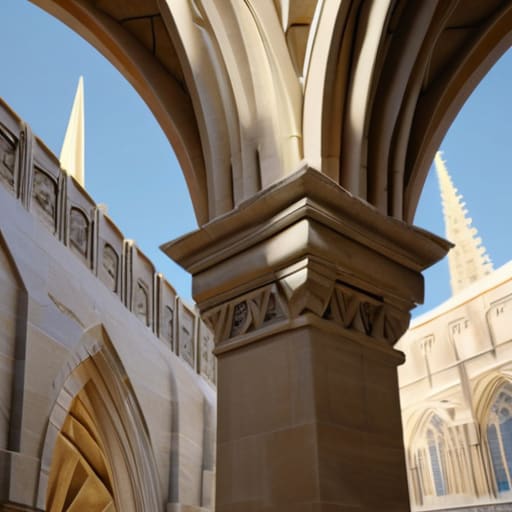
Most guides make rib vault construction look like you’re just placing blocks in a pattern. It isn’t. When I was working on my latest build, I realized that if your diagonal ribs don’t meet at the exact center of the bay, the entire ceiling looks skewed. You can’t just eyeball the intersection point; you have to account for the thickness of the stone ribs themselves. If the geometry is off by even half a block, the visual weight of the ceiling feels wrong, and the whole sense of cathedral structural integrity collapses.
The real headache starts when you try to bridge the gap between the ribs and the web infill. I spent hours trial-and-erroring the stone brick slabs to ensure the curve felt continuous rather than stepped. You aren’t just decorating a ceiling; you are simulating the physics of weight distribution. If you don’t respect the basic gothic architecture principles regarding how that weight is funneled down toward the columns, your build will look like a hollow shell rather than a massive, breathing monument. It’s tedious, but it’s the only way to make the scale feel real.
Five Hard Truths About Not Having Your Roof Collapse
- Stop relying on aesthetic symmetry to hide bad geometry; if your flying buttresses aren’t actually connected to the weight-bearing points of the nave, your build is just a glorified house with extra steps.
- I’ve lost more builds to improper chunk loading than bad design, so always verify your structural blocks are actually rendered and placed in the correct coordinate before you commit to a massive stone expansion.
- Don’t use stairs for every single detail; real masonry uses slabs and full blocks to create depth, and if you use stairs to “fake” a slope, the shadows will look wrong and your scale will be completely off.
- Lighting is a structural necessity, not an afterthought; if you’re hiding torches in the floor to keep mobs from spawning in your nave, you’ve already failed the immersion test.
- Scale your walls thicker than you think you need to; a common mistake I see in every “easy” tutorial is making walls too thin, which makes a cathedral look like a cardboard box once you actually start building the clerestory.
The Bottom Line on Gothic Scale
Don’t trust any tutorial that skips the math behind the weight distribution; if your flying buttresses aren’t calculated to counter the outward thrust of your vaulting, the whole structure is just a very expensive pile of rubble.
Material choice is everything—I’ve spent way too many hours realizing that using blocks with inconsistent hitboxes or textures makes the structural alignment a nightmare during the actual build.
Scale is a trap. You can’t just build “big” and hope it looks like a cathedral; you have to build with the specific ratios of height to width that define the style, or it’ll just look like a massive, hollow box.
The Final Inspection
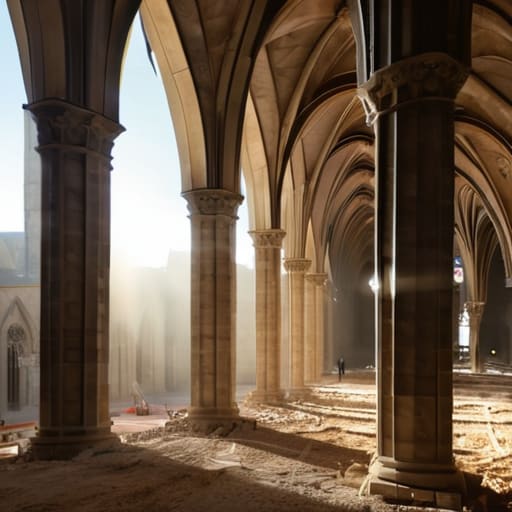
At the end of the day, building a cathedral isn’t about following a schematic you found on a wiki; it’s about understanding how the weight actually distributes through your blocks. I’ve spent enough hours debugging broken rib vaults and watching stone arches collapse because I ignored the physics of the foundation to save time. You have to master the masonry, respect the structural math of the flying buttresses, and—most importantly—test every single arch before you commit to the full height of the nave. If you skip the foundational logic, you aren’t building a monument; you’re just stacking blocks and waiting for a structural failure that’ll leave you staring at a pile of rubble.
There is a specific kind of silence that hits when you finally place that last capstone and look up through the clerestory windows. It’s not the polished, perfect view you see in those high-res texture pack showcases; it’s the raw, jagged reality of something you actually engineered from the ground up. This process is tedious, and half the time you’ll feel like you’re fighting the game’s own limitations, but that’s exactly why it matters. When you stand in the center of a space that you actually built with your own hands, you realize that the struggle wasn’t a bug—it was the point.
Frequently Asked Questions
How do I keep the flying buttresses from looking like a mess of random blocks when I'm trying to scale the height?
The mistake most people make is trying to build a straight line of blocks from the wall to the pier. It looks like a glitchy mess because it is. To fix it, you have to build in curves. I use a staggered step pattern, alternating between full blocks and slabs to create a smooth arc. If you don’t account for the diagonal slope, the structure loses its weight and just looks like floating junk.
What’s the best way to handle the light levels in the nave without using modern lighting hacks that ruin the build?
Stop trying to hide torches in the floor. It looks cheap and breaks the immersion. I’ve spent hours tweaking light levels in my own builds to avoid that “patchwork” look. The only way to do it right is through clerestory windows. Position your glass high up to let natural light bleed down the nave. If you need more, hide light sources behind stone grates or inside faux-pillars. It’s tedious, but it works.
Is there a specific block palette that actually holds up for the interior vaulting, or am I just wasting resources?
Stop overthinking the resource sink. If you’re trying to use deepslate tiles for everything, you’re just making the interior look like a dark cave. I’ve tested several palettes on 1.20, and the only way to make vaulting actually pop without wasting stacks of quartz is a mix of Stone Bricks and Polished Andesite. Use the Andesite for the structural ribs; it provides the necessary contrast against the lighter ceiling infill. Don’t bother with anything else.
