
I spent three hours yesterday staring at a massive, cobblestone pillar floating over my ocean biome, and I realized it looked like a total eyesore. Most people think that learning how to build a mob farm that looks intentional requires some insane level of architectural skill or a massive library of custom textures, but that’s a lie. In reality, it’s just about managing the silhouette and understanding how the mechanics actually interact with the terrain you’ve already laid down. I’ve run servers where players would complain that a base looked like a “lag machine graveyard,” and honestly, half the time, they were right.
I’m not going to give you any of that fluff about “aesthetic harmony” or “creative expression” that you see in those overproduced YouTube tutorials. Instead, I’m going to show you the exact methods I used to integrate my latest farm into the landscape without breaking the spawn rates. I’ll walk you through how to mask the structural bulk using natural-looking terrain and how to hide the redstone mess so your world actually looks lived-in. This is the no-nonsense approach to building functional machinery that doesn’t ruin your view.
Table of Contents
Guide Overview
Tools & Supplies
- Compass for orientation and locating dark spots
- Flint and Steel for lighting/testing spawn mechanics
- Building Blocks (Stone/Deepslate) 10-15 stacks
- Slabs (for roof/detailing) 5 stacks
- Water Buckets (for mob transport) 2
- Torches (for perimeter lighting) 3 stacks
- Hoppers (for collection system) 4-8
- Chests (for storage) 4
Step-by-Step Instructions
- 1. First, you need to clear the area around your spawn point to ensure the farm doesn’t lag your client. I usually go about a 128-block radius around the build site and just strip everything back to the stone layer. If you leave random caves or surface patches nearby, the mobs will spawn there instead of in your farm, and you’ll end up with a zero-yield useless box of cobblestone.
- 2. Instead of building a giant floating obsidian cube, I start by laying down a foundation of deepslate or stone bricks that looks like a ruined outpost. I don’t care if it’s not “lore-accurate” or whatever; I just want it to look like a structure that was actually placed there. Use stairs and slabs to create some depth in the walls so it doesn’t look like a flat, two-dimensional plane.
- 3. The actual spawning platforms need to be hidden. I build the internal collection layers inside a hollowed-out shell of a tower or an underground bunker. If you’re building a tower, make the outer walls thick enough that you can actually hide the water streams and the spawning platforms behind at least two layers of blocks. This is the only way to stop it from looking like a generic technical farm.
- 4. For the collection system, skip the ugly hopper-on-a-chest setup that’s visible from the surface. I use a hidden item chute that leads into a small, decorated sorting room tucked away in a basement or behind a wall. If you can see the hoppers from your main base, you’ve already failed the aesthetic part of this build.
- 5. Lighting is where most people mess up. You can’t just spam torches everywhere like a maniac. I use hidden light sources like glowstone or sea lanterns buried under moss carpets or leaves. This keeps the farm’s interior dark enough for mobs to spawn, but the exterior looks intentional and well-lit rather than a chaotic mess of torch sticks.
- 6. Finally, I add some “clutter” to break up the straight lines. I’ll throw in some overgrown vines, some cracked stone bricks, or even a few custom-built rubble piles around the base. It takes an extra twenty minutes, but it’s the difference between a technical build and something that actually looks like it belongs in a survival world.
Integrating Farms Into Builds Without Ruining the Vibe
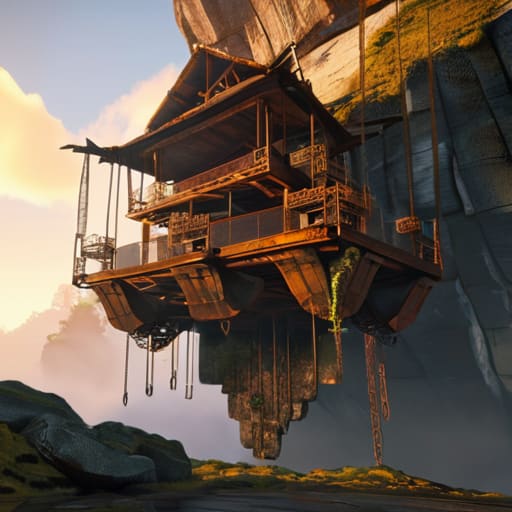
The biggest mistake I see is treating a farm like a separate project from the base. People build a massive, ugly cobblestone box and then try to “fix” it later with a few bushes. That never works. Instead, you need to focus on blending structures with terrain from the very first block you place. If your farm is underground, don’t just dig a hole; build a reinforced bunker or a mining outpost around the perimeter. If it’s in the sky, make it look like a functional hanging laboratory or a floating ruin rather than just a platform held up by nothing.
I’ve found that the most effective way to handle this is by treating the farm as part of the minecraft architecture and utility of your world. If you’re building a castle, the mob farm shouldn’t be a separate tower; it should be the dungeon beneath the throne room. I usually hide the actual spawning platforms inside thick walls or under faux-floors so the player only sees the “intended” part of the build. If you can’t make it look pretty, hide it in plain sight using functional-looking structures like granaries, watchtowers, or even deep sewer systems.
Mastering Minecraft Architecture and Utility for Functional Beauty
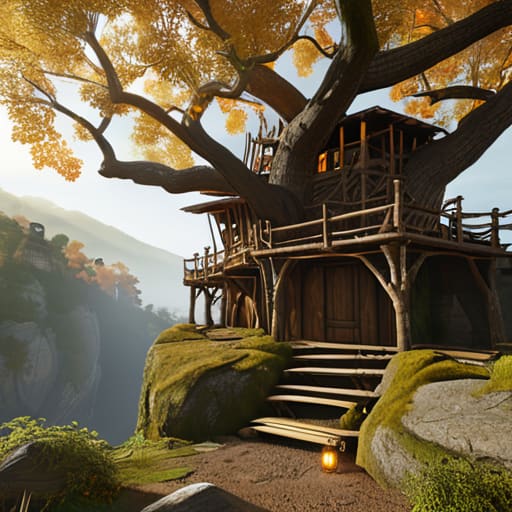
The biggest mistake people make is treating the farm and the build as two separate projects. If you’re just slapping a cobblestone box on top of a mountain, you’ve failed. To actually master minecraft architecture and utility, you have to think about the farm’s silhouette. I usually start by looking at the farm’s necessary dimensions—the height needed for spawning and the drop chute—and then I build the shell around those requirements. Instead of a generic tower, I’ll build a ruined watchtower or a massive, hollowed-out tree. The goal is to make the functional mechanics feel like a byproduct of the structure’s purpose.
When it comes to the technical side, don’t let the redstone ruin the look. I’ve seen too many “aesthetic” builds ruined by a messy line of observers and pistons sticking out of a wall. I prefer using hidden mob farm designs where the redstone components are buried behind stone brick walls or tucked into floor cavities. If you have to use visible components, try to make them look like they belong, like using copper blocks for a steampunk-style sorting system. If the redstone doesn’t look like it’s part of the machine, it shouldn’t be visible.
My Rules for Not Making Your Base Look Like a Redstone Junkyard
- Stop using cobblestone for everything. If your farm is a massive tower, use deepslate or stone bricks to give it actual weight, otherwise it just looks like a giant, ugly gray pillar sticking out of the ground.
- Hide your collection systems. I never leave hopper lines or water streams exposed; I bury them under slabs or trapdoors so the actual mechanics are invisible and you only see the finished architecture.
- Match the scale to the surrounding terrain. If you’re building in a mountain range, don’t build a floating box; carve the entrance into the cliffside so it looks like a legitimate mining operation rather than a random glitch in the landscape.
- Use lighting to your advantage, but not the obvious way. Don’t just spam torches around the perimeter; use lanterns or hidden glowstone under carpets to create an atmosphere that feels like a functional building instead of a mob-spawning zone.
- Respect the silhouette. A farm shouldn’t just be a cube. I always add some roof overhangs or small side structures to break up the shape so it looks like a deliberate piece of architecture instead of a boxy efficiency machine.
The Bottom Line
Stop treating your farms like separate entities; if it isn’t integrated into your base’s footprint or hidden under terrain, it’s just an eyesore.
Functionality doesn’t have to look like a mess of cobblestone pillars—use the actual architecture of your build to mask the spawning platforms.
Test your designs on the version you’re playing, because what looks good in a screenshot might break your frame rate or your aesthetic once you actually build it.
Final Thoughts on Intentional Design
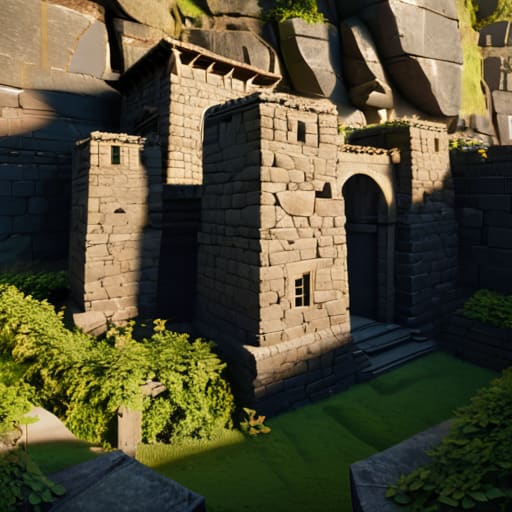
At the end of the day, making a farm look intentional isn’t about adding extra fluff or decorative blocks that serve no purpose. It comes down to the fundamentals I’ve been talking about: masking the technical guts of the machine, using the surrounding terrain to hide the spawning platforms, and ensuring the architecture actually matches the utility of the build. If you’ve followed these steps, you shouldn’t have a giant, ugly cobblestone box floating in the middle of your plains biome anymore. You should have a structure that looks like it was meant to be there from the moment you first placed the first block.
I know it’s tempting to just throw up a box, get your XP, and move on, but that’s how you end up with a world that feels like a collection of random, ugly glitches. Taking the extra time to integrate your farms into the landscape makes the entire world feel cohesive rather than just a series of disconnected technical projects. Stop treating your farms like a chore you need to finish and start treating them like part of the world-building process. It takes longer, but once you see a functional farm actually blending into a mountain or a ruin, you won’t want to go back to the old way.
Frequently Asked Questions
How do I hide the massive amount of redstone wiring without accidentally causing a lag spike on my server?
Don’t just bury everything in solid blocks. If you pack redstone into a tight, unventilated space, you’re asking for chunk update lag. I usually build dedicated “utility sub-floors” or hollowed-out walls specifically for the wiring. Use slabs or stairs to create air gaps around your repeaters and observers. It keeps the signal paths clean and prevents the server from choking on a massive pile of constant block updates every time a mob spawns.
Will adding a lot of custom terrain and stone around the farm mess with the spawning rates?
Short answer: no, as long as you aren’t placing blocks that increase the light level above zero. I’ve spent way too many hours debugging spawn rates on my own server to ignore this. If your “custom terrain” includes slabs, stairs, or leaves that create light leaks, your rates will tank. Stick to solid blocks and keep it dark. If the light level is 0, the mobs don’t care how much stone you pile around them.
What's the best way to mask the light levels so mobs don't spawn outside the actual farm area and ruin the build?
Don’t bother with those massive, ugly walls of cobblestone. I usually just use slab-based detailing or trapdoor overhangs around the perimeter. If you place slabs or stairs strategically around your build’s base, you can drop the light level to zero without it looking like a defensive fortification. I also like using leaf blocks or custom foliage to hide any stray torches I’m forced to use for player paths. Just keep it subtle.
